

Skip to the main content.

Green Leaf FV Recycling Favicon-1

FV Recycling is your all-in-one
industrial & commercial recycling solution.

Sign Up

Sign up for monthly notifications from FV Recycling to stay up-to-date on news, events, education and more.

Green Leaf FV Recycling Favicon-1

Cost Efficient. Green Effective.

3 min read

Recycling Costs More Than Landfill - What Should We Audit First?

Recycling Costs More Than Landfill - What Should We Audit First?
4:51

If recycling costs more than landfill, the issue is usually operational inefficiency, not the value of recycling itself. Auditing hauling frequency, bale density, contamination, equipment performance, and contract structure can quickly restore cost efficiency while strengthening landfill diversion and sustainability goals.


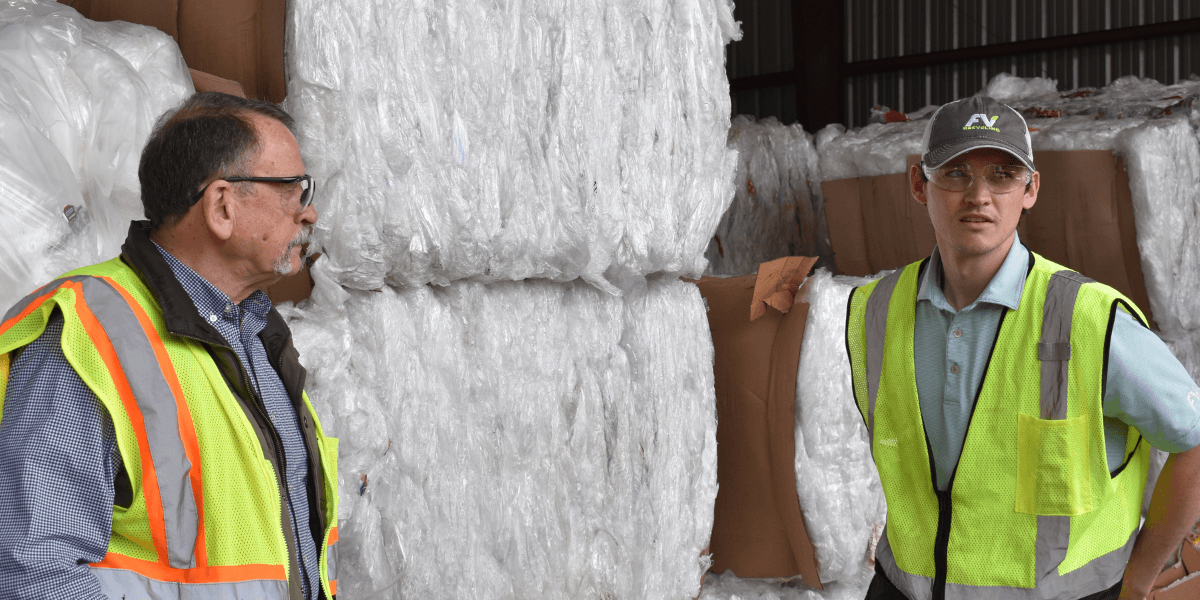
Request a Quote CTA with image of FV worker looking over recycling equipment.

Why Can Recycling Costs Increase Even When It Is The Right Long-Term Strategy?

Recycling costs can increase when operational processes drift out of alignment, even though recycling remains the smarter long-term commercial waste management strategy.

A landfill may appear simpler in the short term because costs are bundled and predictable. Recycling, however, creates measurable accountability, and that visibility is a strength. When performance variables such as bale weight, hauling frequency, or material separation shift, costs can rise temporarily.

That does not mean recycling is the problem.

It means the system needs refinement. Industrial recycling programs deliver the greatest value when they are actively managed and optimized.

What Should Be Audited First To Improve Recycling Efficiency?

The first item to audit is hauling frequency compared to actual cardboard volume.

Recycling pickup services should align with tonnage thresholds, not fixed calendar schedules. When pickups occur too frequently, transportation costs increase unnecessarily. When pickups occur too late, dock congestion and workflow disruption follow.

A hauling audit should review:

Actual tons generated per pickup cycle

Average trailer or dumpster fill percentage

Cost per pull under current commercial waste management contracts

Seasonal volume fluctuations


Small adjustments to waste collection cadence often produce immediate improvements without sacrificing landfill diversion performance.

How Does Bale Weight Strengthen Commercial Cardboard Recycling Performance?

Bale weight strengthens commercial cardboard recycling performance by improving transportation efficiency and increasing material value.

Dense, consistent bales reduce hauling frequency and position facilities for stronger resale outcomes in industrial cardboard recycling markets. If bale density fluctuates, performance weakens.

A bale density review should include:

  • Average bale weight trends over time
  • Variance between shifts or operators
  • Condition of baler components
  • Proper bale wire application and tying consistency

Density consistency is one of the most controllable cost levers within a structured commercial recycling services program.

How Can Material Sorting Improve Recycling Results?

Clear material sorting improves recycling results by protecting load quality and maximizing resale value.

When cardboard remains clean and separated from plastics, trash, and moisture, commercial recycling services operate more efficiently. Contamination is rarely intentional; it typically reflects unclear procedures or inconsistent dock-level practices.

Auditing sorting processes, signage clarity, and employee training strengthen recycling management performance while supporting long-term landfill diversion goals.

Recycling works best when material and grade streams remain disciplined.

How Does Recycling Equipment Alignment Protect Recycling ROI?

Equipment alignment protects recycling ROI by ensuring the right recycling equipment matches facility volume and workflow.

Using a cardboard compactor when volume supports a baler, operating outdated equipment without preventative baler repair, or failing to adjust capacity as operations grow can reduce efficiency.

An equipment audit should evaluate:

  • Equipment throughput vs. actual cardboard volume
  • Downtime frequency and repair response time
  • Preventative maintenance schedules
  • Floor space and dock workflow alignment

Properly sized and maintained recycling equipment for sale or rental ensures that recycling operates as a cost-controlled system, not a reactive process.

Why Should You Consult With FV Recycling Before Scaling Back Your Recycling Program?

You should consult with FV Recycling to strengthen your recycling program because optimization, not elimination,  is the key to long-term cost control and landfill diversion success.

Our team evaluates hauling structure, tonnage trends, bale density performance, equipment alignment, and multi-site consistency to identify practical refinements within your commercial waste management system. We then implement targeted improvements, whether that involves recycling pickup service adjustments, baler performance optimization, or strategic recycling equipment recommendations.

When recycling costs rise, it is not a signal to retreat.  It is an opportunity to improve.

Recycling remains one of the most measurable and controllable cost centers in modern operations when it is engineered correctly. FV Recycling ensures it operates as a performance asset, not an unpredictable expense.

Request a Quote CTA with image of broken down cardboard boxes.

FAQ's