

Skip to the main content.

Green Leaf FV Recycling Favicon-1

FV Recycling is your all-in-one
industrial & commercial recycling solution.

Sign Up

Sign up for monthly notifications from FV Recycling to stay up-to-date on news, events, education and more.

Green Leaf FV Recycling Favicon-1

Cost Efficient. Green Effective.

3 min read

How Much Cardboard Do We Need Before a Baler Makes Sense?

How Much Cardboard Do We Need Before a Baler Makes Sense?
5:25

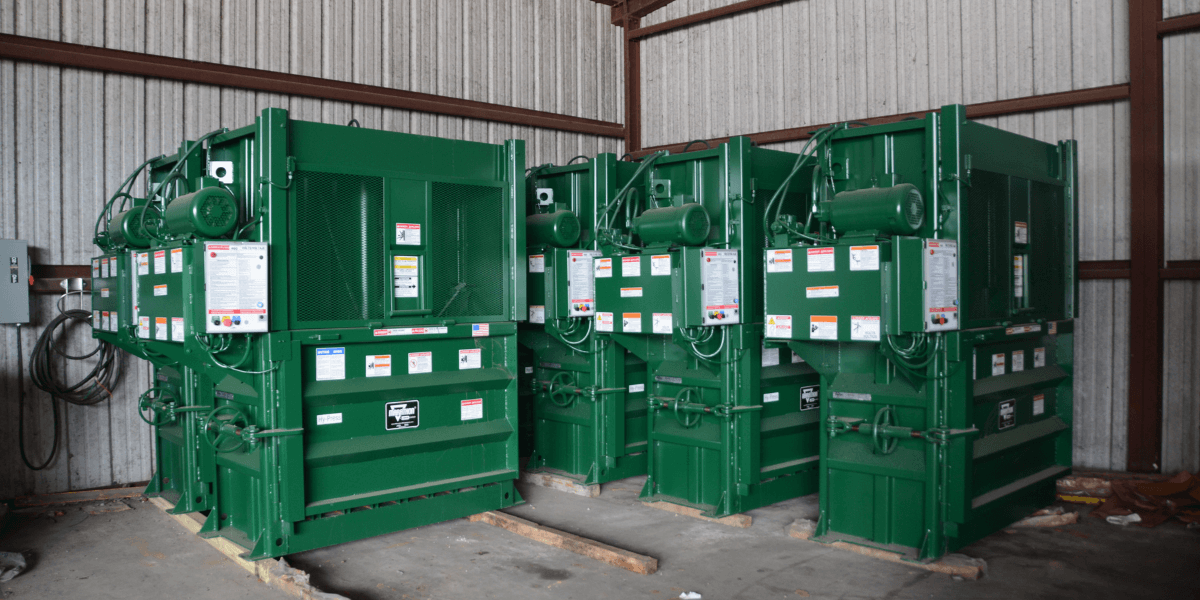
A cardboard baler makes financial sense when a facility generates enough cardboard that hauling loose material becomes inefficient. As volume increases, hauling costs and landfill fees often begin to outweigh the cost of operating a baler. 


The right recycling equipment reduces commercial waste management expenses, improves landfill diversion, and strengthens commercial cardboard recycling performance.

New call-to-action

What Volume Of Cardboard Typically Justifies Installing A Baler?

Installing a cardboard baler is typically justified when cardboard volume requires frequent dumpster pulls, disrupts dock workflow, or creates safety concerns due to material buildup.

Facilities that require more than one weekly pickup for loose cardboard often overspending on commercial waste management. Loose OCC (old corrugated containers) takes up excessive space and provides no resale value when sent through a standard compactor.

Common volume triggers include:

  • Distribution centers generating daily pallet loads of corrugated
  • Manufacturers receiving high-volume raw material shipments
  • Retail chains with consistent cardboard box recycling overflow
  • Facilities pursuing landfill diversion targets

At this stage, recycling management should shift from reactive waste collection to structured bale production.

When cardboard moves from “trash problem” to “material stream,” installing recycling equipment becomes a strategic decision,  not just an operational upgrade.

How Do Hauling Costs Compare Between Loose Cardboard And Baled Cardboard?

Hauling costs for loose cardboard are significantly higher than baled cardboard because loose material requires more frequent waste collection, occupies more dumpster capacity, and eliminates resale opportunities.

With loose material, you are paying for air.

A cardboard compactor may reduce some volume, but compacted fiber typically still goes to landfill and generates disposal costs. In contrast, a properly operated cardboard baler produces dense, mill-ready bales that reduce hauling frequency and enter the commercial cardboard recycling market.

Here’s where the cost shift happens:

  • Fewer dumpster pulls
  • Lower commercial waste removal fees
  • Reduced transportation costs
  • Potential recycling rebates
  • Improved reporting accuracy

Over time, the difference between landfill disposal and structured waste recycling services can be substantial — especially in multi-site operations.

When Does A Cardboard Compactor Make More Sense Than A Baler?

A cardboard compactor makes more sense than a baler when material volumes are low, labor resources are limited, or contamination levels prevent consistent bale production.

Not every facility needs a baler.  Small retail locations, low-volume operations, or facilities with mixed waste streams may benefit from a cardboard compactor instead of investing in baler equipment. Compactors simplify waste handling but do not create resale value.

The decision between a baler vs compactor should consider:

  • Monthly cardboard tonnage
  • Available floor space
  • Labor availability
  • Contamination risk
  • Long-term recycling management goals

This is where many businesses make costly mistakes — purchasing recycling equipment for sale without first analyzing operational realities.

The right equipment depends on volume stability and workflow design.

What Operational Costs Should Be Considered Before Investing In A Baler?

Operational costs to consider before investing in a cardboard baler include labor allocation, bale wire usage, baler repair risk, preventative maintenance, and internal recycling oversight.

While balers reduce commercial waste management expenses, they introduce operational responsibilities that must be accounted for.

Key cost considerations include:

  • Bale wire consumption
  • Scheduled maintenance
  • Potential baler repair downtime
  • Safety training requirements
  • Equipment placement and dock redesign

Facilities often overlook the cost of inconsistency. Light bales, improper tying, or downtime can eliminate the financial advantage of commercial recycling services.

That’s why evaluating used recycling equipment, baler rental options, or baler for sale opportunities should never happen without a full operational review.

Why Should You Consult With FV Recycling Before Deciding On A Baler?

You should consult with FV Recycling before deciding on a baler because a professional waste audit ensures you select the right recycling equipment, optimize hauling contracts, and align your commercial cardboard recycling strategy with real operational data.

At FV Recycling, we do not lead with equipment; we lead with analysis.

Our team evaluates:

  • Monthly cardboard volume
  • Current waste collection frequency
  • Hauling costs
  • Dock workflow constraints
  • Landfill diversion goals
  • Multi-site standardization needs

We assess whether baler rental, a baler for rent, or purchasing a baler for sale makes financial sense. We also provide recycling equipment for sale, preventative baler repair support, pallet management services, and ongoing recycling pickup services.

A baler should not be a guess. It should be a calculated decision based on data, operational alignment, and long-term waste management services strategy.

That’s where FV Recycling becomes a partner,  not just a vendor.

New call-to-action

FAQ's

Do We Need a Baler or Compactor & How Do We Decide?

Do We Need a Baler or Compactor & How Do We Decide?

Facilities eventually reach a point where waste stops being a background expense and starts becoming an operational issue. When dumpsters fill...
Read More
How Does FV Recycling Help Businesses Plan Cardboard Baler Costs?

How Does FV Recycling Help Businesses Plan Cardboard Baler Costs?

For distribution centers, manufacturing facilities, and other high-volume cardboard producers, installing a baler often raises questions about...

Read More
What Is a Cardboard Baler and How Does It Work?

What Is a Cardboard Baler and How Does It Work?

Cardboard waste is a byproduct of doing business, but it doesn’t have to be a burden. For many companies, especially those generating high volumes of...

Read More